
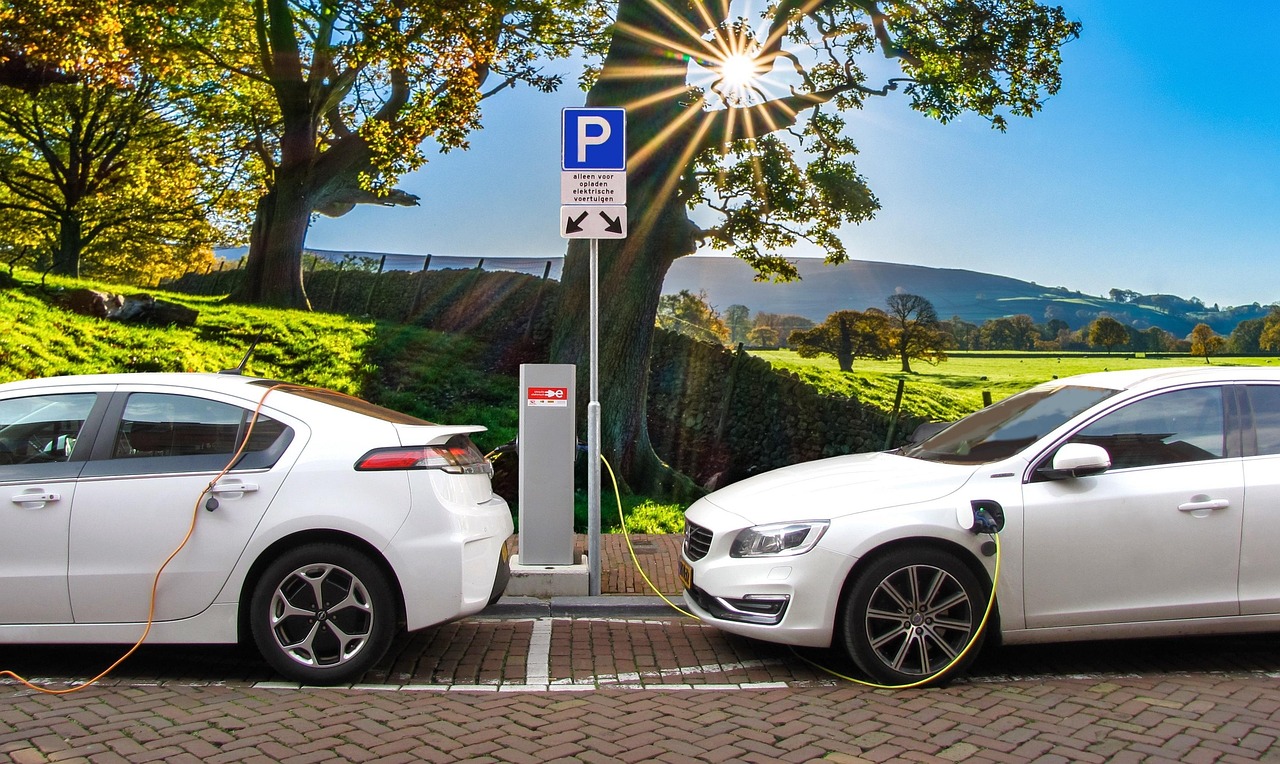
The transition to electric vehicles is accelerating, with over 1.4 million EVs sold in the United States in 2023 alone. As more drivers make the switch, one question becomes increasingly important: how do you charge your electric vehicle at home efficiently and safely?
While public charging stations are becoming more common, having a dedicated home charging solution offers unmatched convenience and cost savings. This comprehensive guide walks you through everything you need to know about home EV charger installation.
Understanding EV Charging Levels
Before diving into installation, it’s crucial to understand the different charging levels available for residential use.
Level 1 Charging uses a standard 120-volt household outlet and typically adds 3-5 miles of range per hour of charging. While this requires no special installation, it’s impractically slow for most EV owners who drive regularly.
Level 2 Charging operates on 240 volts (the same as your dryer or oven) and delivers 25-40 miles of range per hour. This is the sweet spot for home installations, allowing most EVs to fully charge overnight. Level 2 chargers require professional installation and are the focus of most residential EV charging projects.
Level 3 (DC Fast Charging) is generally reserved for commercial applications due to extreme power requirements and costs, making it impractical for home use.
Assessing Your Home’s Electrical Capacity
The first step in any EV charger installation is evaluating whether your home’s electrical system can handle the additional load. Most Level 2 chargers draw between 30 and 50 amps of power.
Check your electrical panel to see if you have available capacity. Most modern homes have 200-amp service, which typically accommodates an EV charger. However, older homes with 100-amp or 150-amp service may need an electrical panel upgrade before installation can proceed.
According to the U.S. Department of Energy, evaluating your electrical panel capacity is essential before committing to any charging equipment purchase. An insufficient electrical system can’t safely support the continuous high-amperage draw required for EV charging.
Choosing the Right Charger
Not all Level 2 chargers are created equal. Consider these factors when selecting your equipment:
Amperage Rating: Higher amperage means faster charging. A 40-amp charger will replenish your battery significantly faster than a 30-amp unit. However, ensure your vehicle can accept the maximum charge rate your charger offers.
Smart Features: Modern chargers offer WiFi connectivity, smartphone apps, scheduled charging during off-peak hours, and energy usage tracking. These features can help you minimize electricity costs and monitor your charging habits.
Cord Length: Consider where you’ll park and how far the charger needs to reach. Most chargers come with 18-25 foot cables, but your specific situation may require more or less.
Weather Resistance: If installing outdoors, ensure your charger has appropriate weather ratings (NEMA 3R or higher) to withstand the elements.
Brand Compatibility: While most chargers use the standard J1772 connector compatible with all non-Tesla EVs, Tesla owners should verify adapter compatibility or consider Tesla’s proprietary Wall Connector.
The Installation Process
Professional installation is not just recommended but required for Level 2 EV chargers. The installation process typically involves several steps that should only be performed by licensed electricians.
First, the electrician will assess your electrical panel and determine the best location for your charger. They’ll calculate the electrical load to ensure your system can safely handle the additional demand without overloading circuits or creating fire hazards.
Next, they’ll run dedicated wiring from your electrical panel to the charging location. This requires 240-volt wiring, appropriate gauge wire based on the amperage and distance, and proper conduit to protect the wiring. For outdoor installations, underground conduit may be necessary.
The electrician will then install a dedicated circuit breaker sized appropriately for your charger’s requirements. Finally, they’ll mount the charging unit, make all electrical connections, and test the system to ensure proper operation and safety.
Working with experienced professionals who understand local electrical codes and EV charging requirements ensures your installation is safe, compliant, and optimized for your needs. For Virginia residents, finding qualified electricians who specialize in EV charger installations can make the process significantly smoother.
Permits and Inspections
Most jurisdictions require electrical permits for EV charger installations. Your electrician should handle permit applications, but be prepared for the process to add a few days or weeks to your timeline.
After installation, a municipal inspector will typically need to verify the work meets local electrical codes. This inspection protects you by ensuring the installation is safe and properly executed.
The National Fire Protection Association’s electrical code (NFPA 70) provides the foundation for most local requirements, covering essential safety standards for EV charging equipment installation.
Cost Considerations
Home EV charger installation costs vary widely based on several factors. The charger itself ranges from $300 to $1,200 depending on features and amperage. Installation labor typically costs $500 to $1,500, depending on the complexity of your specific situation.
If your electrical panel needs upgrading, add another $1,500 to $3,000 to your budget. Long wire runs, trenching for underground conduit, or other complications can increase costs further.
However, federal and state incentives can offset these expenses significantly. The federal EV charger tax credit covers 30% of installation costs up to $1,000 for residential installations. Many states and utility companies offer additional rebates, sometimes covering 50% or more of total costs.
Maximizing Your Investment
Once installed, you can optimize your home charging setup for maximum benefit. Program your charger to operate during off-peak hours when electricity rates are lowest. Many utility companies offer special EV charging rates that can cut your charging costs in half.
Track your energy usage through your charger’s app to understand your actual costs per mile. Most EV owners find home charging costs 50-75% less than gasoline on a per-mile basis.
Consider installing your charger in a location that accommodates future vehicles as well. If you might add a second EV to your household, planning ahead can save substantial costs later.
Making the Switch
Installing a home EV charger represents a significant step in your electric vehicle journey, transforming your garage or driveway into a personal fueling station. With proper planning, professional installation, and the right equipment, you’ll enjoy the convenience of waking up to a fully charged vehicle every morning.
The initial investment pays dividends through years of convenient, cost-effective charging that makes EV ownership truly practical for daily life. By understanding the process and working with qualified professionals, you can ensure your charging setup meets your needs today while positioning you for the electric future ahead.